

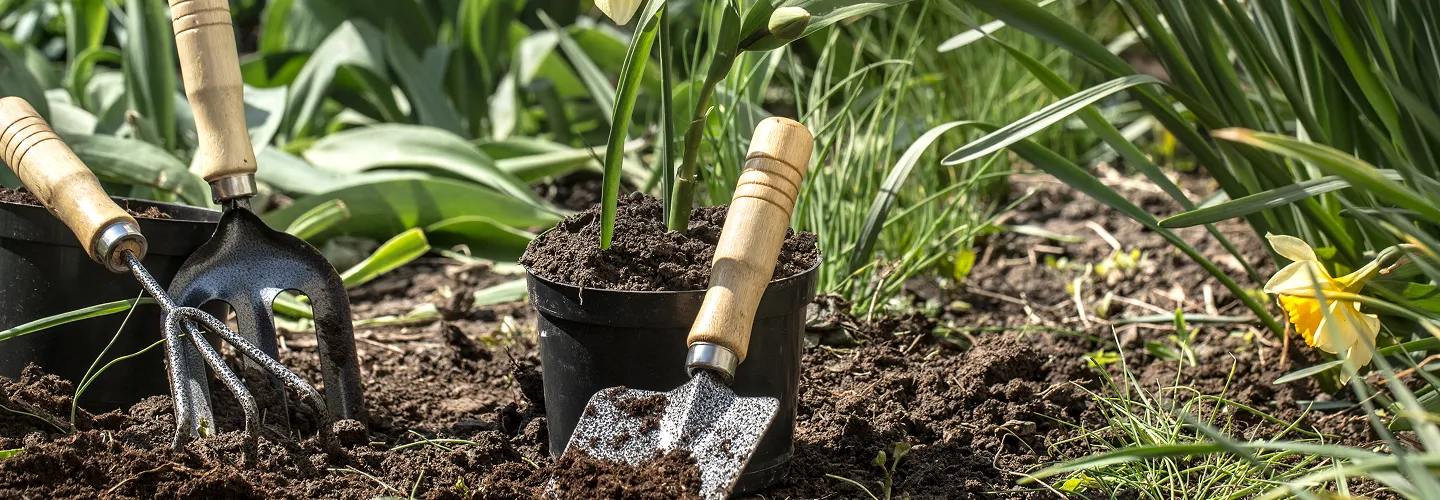
Wayland Fertilizing Lawn Services
Choose our Fertilizing Lawn service for lush, healthy grass that stands out in your neighborhood—our expert care ensures your lawn receives the nutrients it needs for vibrant growth and long-lasting beauty.
Get a Free QuoteWhen to Schedule Fertilizing Lawn in Wayland, Massachusetts – Seasonal Guide
Fertilizing your lawn in Wayland, Massachusetts requires careful timing to ensure lush, healthy grass throughout the growing season. The best periods for fertilization are typically early spring and early fall, when soil temperatures are optimal for nutrient uptake and grass roots are most active. In neighborhoods like Claypit Hill and near Heard Pond, the local climate—with its cold winters, humid summers, and variable rainfall—means timing is everything. Late spring fertilization can help lawns recover from winter dormancy, while a fall application prepares your turf for the colder months ahead.
Wayland’s unique landscape features, such as shaded lots in the Loker Conservation Area and the sandy soils near the Sudbury River, also play a role in determining the right fertilizing schedule. Homeowners should consider local frost dates, which typically extend into late April, and be mindful of drought risk during the summer. For up-to-date information on local weather patterns and any municipal guidelines, consult the Town of Sudbury’s official website.
Local Factors to Consider for Fertilizing Lawn in Wayland
- Tree density and shade coverage, especially in wooded neighborhoods
- Soil type (sandy vs. loamy) and drainage characteristics
- Average precipitation and risk of summer drought
- Proximity to wetlands or conservation areas
- Municipal restrictions on fertilizer use and application timing
- Terrain slope, which can affect runoff and nutrient absorption
Benefits of Fertilizing Lawn in Wayland

Healthier, Greener Lawns
Improved Weed Resistance
Enhanced Curb Appeal
Stronger Root Development
Customized Fertilization Plans
Expert Local Landscaping Team
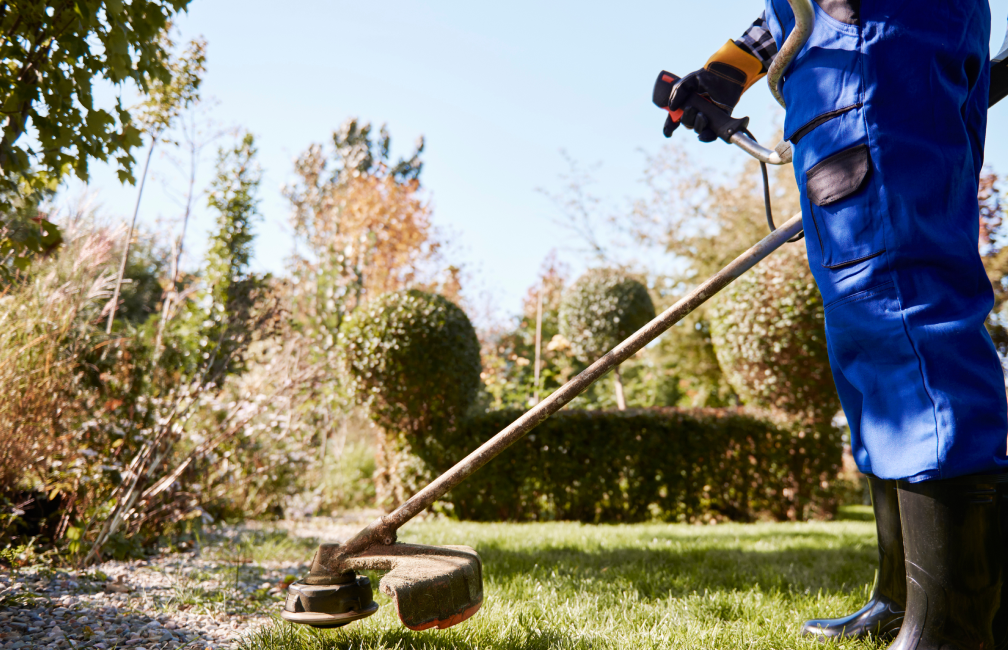
Wayland Fertilizing Lawn Types

Cool-Season Grass Fertilization
Specialized fertilizing schedules for Kentucky bluegrass, fescue, and ryegrass lawns.
-
Warm-Season Grass Fertilization
Tailored nutrient plans for Bermuda, zoysia, and St. Augustine grass types.
-
Organic Lawn Fertilization
Eco-friendly fertilizing solutions using natural and organic products.
-
Weed & Feed Treatments
Combined fertilization and weed control for a healthy, lush lawn.
-
Starter Fertilizer for New Lawns
Boost early growth and root development for newly seeded or sodded lawns.
-
Seasonal Fertilizer Programs
Customized fertilizing schedules for spring, summer, and fall applications.
Our Fertilizing Lawn Process
Soil Analysis
Fertilizer Selection
Application Scheduling
Even Fertilizer Distribution
Post-Application Inspection
Why Choose Wayland Landscape Services
-
Wayland Homeowners Trust Us
-
Expert Lawn Maintenance
-
Reliable Seasonal Cleanups
-
Competitive Pricing
-
Professional Team
-
Satisfaction Guarantee
-
Personalized Service
Contact Wayland’s Department of Public Works for Fertilizer Container Disposal & Municipal Composting Programs
Proper disposal of fertilizer containers and participation in municipal composting are essential for environmental protection in Wayland. Residents should utilize household hazardous waste events, typically held 2–4 times annually, for liquid fertilizer containers after performing a triple-rinse procedure. Plastic fertilizer bags may be accepted in municipal recycling—always check local guidelines. Biodegradable paper packaging can be placed in yard waste collection (April–November). For finished compost, the town offers bulk delivery and seasonal distribution, supporting soil health and sustainability. In case of fertilizer spills, immediately contain with absorbent materials, notify emergency services (911 for major spills), and contact the local department for cleanup guidance. Never dispose of fertilizer in regular trash, storm drains, or streets; always store products securely in original, labeled containers.
Wayland Department of Public Works
66 River Road, Wayland, MA 01778
Phone: (508) 358-3672
Official Website: Wayland Department of Public Works
Professional Soil Testing & Nutrient Assessment Requirements for Wayland’s Glacial Till & Rocky Upland Soils
Soil testing is mandatory for responsible nutrient management in Wayland’s glacial till and rocky upland soils. The UMass Soil & Plant Nutrient Testing Lab provides comprehensive analysis, including pH (typically 5.5–6.5), organic matter, and macro- and micronutrients. Target a pH of 6.0–7.0 for cool-season grasses by applying dolomitic lime (50–100 lbs per 1,000 sq ft to raise pH one unit, with effects over 6–12 months). Use the USDA Web Soil Survey to identify drainage, organic matter (2–4% common, target 4–6%), and compaction. Develop a written nutrient plan based on test results, following UMass Extension recommendations (0.75–1.0 lb N per 1,000 sq ft per application, max 3–4 lbs N annually). Adjust for site-specific factors such as shade (reduce N by 25–30%), traffic, and compaction.
Massachusetts Fertilizer Regulations & Professional Licensing Requirements for Wayland
Fertilizer use in Wayland is governed by Massachusetts General Laws and local ordinances, especially regarding phosphorus in watershed communities. Phosphorus is restricted except for new lawns or documented deficiencies (soil P <30 ppm). Nitrogen applications should not exceed 0.9–1.0 lb N per 1,000 sq ft per application, supporting watershed protection and MS4 compliance. Commercial applicators must hold MA Department of Agricultural Resources (MDAR) Category 36 licenses, complete specialized training, and register with the town. Maintain detailed records of applications, rates, weather, and soil test results. Liability insurance (minimum $1M per occurrence), environmental impairment coverage, and bonding are recommended for municipal contracts. For licensing details, visit MDAR.
Wayland Conservation Commission Requirements for Fertilizer Application Near Wetlands & Protected Areas
Fertilizer application near wetlands and protected areas in Wayland is regulated under the Wetlands Protection Act (M.G.L. c. 131, § 40). Permits or notifications are required for work within 25–100 feet of wetlands or streams, and no-fertilizer buffer strips are mandatory. Organic-only fertilizers are recommended in sensitive zones to protect groundwater and surface water from nutrient runoff, which can cause algae blooms and eutrophication. Always avoid applying fertilizer to impervious surfaces and sweep any spills back onto turf. Schedule applications with a minimum 24–48 hour rain-free window, using National Weather Service forecasts. Protect pollinators by avoiding combination products with insecticides during peak flowering (May–September).
Wayland Conservation Commission
41 Cochituate Road, Wayland, MA 01778
Phone: (508) 358-3669
Official Website: Wayland Conservation Commission
For more, see Wetlands Protection.
Seasonal Fertilization Calendar & Weather Timing for Wayland’s Climate Zone 6a
Wayland’s USDA Zone 6a climate requires careful timing for fertilizer applications:
- Early Spring (April–May, soil 50–55°F): Light application (0.5–0.7 lbs N/1,000 sq ft) as grass resumes growth
- Late Spring (late May–early June): Optional light application (0.5 lbs N) if needed
- Summer (July–August): Avoid applications during heat/drought stress
- Primary Fall (September): Most important—0.9–1.0 lbs N/1,000 sq ft for root development
- Late Fall (October–November): Final application (0.7–0.9 lbs N, slow-release) Coordinate with weather: apply when soil is moist (not saturated), soil temp >50°F, and no >0.5 inch rain forecast within 24–48 hours. Irrigate with 0.25–0.5 inches if no rain follows. Adjust for microclimates and shade (reduce N by 25–30%).
Water Quality Protection & Stormwater Management in Compliance with Wayland’s MS4 Program
Wayland’s MS4 permit requires strict stormwater management to prevent nutrient runoff. Follow MassDEP Stormwater Management Standards and implement best management practices (BMPs):
- Calibrate equipment annually for uniform application
- Maintain 10–25 foot no-application buffer strips near water bodies and storm drains
- Clean up fertilizer from impervious surfaces immediately (mechanical sweeping only)
- Use secondary containment for mixing/loading at commercial sites
- Keep detailed records (date, location, product, rate, weather, soil test) Soil-test-based applications reduce unnecessary fertilization, especially phosphorus, and support long-term soil health. Integrate green infrastructure (rain gardens, permeable pavement) to further reduce runoff. For more, see MA Stormwater Standards.
Professional Application Standards, Equipment Calibration & Safety Protocols
Professional fertilizer application in Wayland requires MDAR Category 36 certification and ongoing education. Equipment must be calibrated annually using catch pan testing, with pattern and rate checks at multiple locations. Ensure uniform distribution with overlapping passes (12–24 inches for rotary spreaders) and use edge guards near non-target areas. Application speeds: 3–4 mph (rotary), 2–3 mph (drop spreaders). Safety protocols include PPE (goggles, dust masks, chemical-resistant gloves, long sleeves/pants), daily equipment inspection, and first aid certification. Maintain pre-application soil test verification, document application rates, and monitor turf response post-application. Educate clients on irrigation, mowing, and traffic restrictions after treatment.
Integrated Nutrient Management & Organic Fertilizer Options for Wayland’s Acidic Soils
Sustainable nutrient management in Wayland prioritizes cultural controls and organic options:
- Mow at 3–4 inches (Kentucky bluegrass), 3.5–4 inches (tall fescue)
- Grasscycling returns clippings, providing ~1 lb N/1,000 sq ft annually
- Core aeration (spring/fall) relieves compaction and improves nutrient uptake
- Overseed with improved cultivars for reduced N needs
- Use slow-release N (≥50% slow-release fraction) and compost-based or natural organic fertilizers (e.g., feather meal, alfalfa meal)
- Apply dolomitic lime (50–100 lbs/1,000 sq ft) to raise pH gradually
- Topdress with compost (1/4–1/2 inch annually) to boost organic matter
- Inoculate with mycorrhizal fungi for enhanced phosphorus uptake These practices improve soil health, reduce runoff, and support long-term sustainability.
Wayland Community Development Guidelines for Fertilizer Application & Public Safety Protection
Community development and public health oversight in Wayland require:
- Advance public notification (signs 24–48 hours pre/post-application where required)
- Compliance with re-entry intervals (24–48 hours for granular, until dry for liquids)
- Setbacks: 50–100 feet from private wells, greater for municipal wells, playgrounds, schools
- Application timing to protect children/pets (mid-week, avoid weekends)
- Emergency contacts: Poison Control (1-800-222-1222), 911 for serious exposure
- On-site SDS availability and customer distribution
- Proper mixing/handling (measured, ventilated, no eating/drinking)
- Equipment decontamination between sites
- Secure storage (locked, ventilated, original containers)
- Spill prevention/response (secondary containment, absorbents, notification)
- Community education via workshops and partnerships with UMass Extension
Wayland Board of Health
41 Cochituate Road, Wayland, MA 01778
Phone: (508) 358-3617
Official Website: Wayland Board of Health
What Neighborhoods Do We Serve Throughout Wayland, MA?
Wayland’s neighborhoods each present unique soil and environmental conditions:
- North Wayland: Glacial till, moderate drainage, acidic pH (5.5–6.5), mature trees, buffer zones near wetlands
- Cochituate: Urban fill, variable compaction, proximity to Lake Cochituate (wellhead protection), Kentucky bluegrass dominant
- Happy Hollow: Rocky upland, moderate organic matter, shade from mature canopy, fine fescue in lawns
- Claypit Hill: Marine clay, slow drainage, higher compaction, perennial ryegrass/fescue mixes
- Town Center: Urban fill, high traffic, compaction, irrigation systems common, HOA standards
- Loker: Transitional soils, moderate drainage, conservation land proximity (organic-only recommended)
- East Wayland: Newer developments, thin topsoil, establishment fertilization needs, tall fescue renovations All areas require compliance with buffer zones, phosphorus restrictions, and tailored nutrient management based on soil tests and site conditions.
Wayland Municipal Ordinances for Fertilizer Application Equipment Operation & Commercial Service Standards
Wayland’s municipal ordinances set standards for commercial fertilizer application:
- Operating hours: 7:00 AM–9:00 PM weekdays, 8:00 AM–9:00 PM Saturdays (verify Sunday restrictions)
- Licensing: business license, MDAR Category 36, contractor registration, insurance (min $1M liability, environmental impairment, workers’ comp), bonding for municipal contracts
- Safety: traffic control, work zone setup, equipment operation, pedestrian safety, public notification, right-of-way permits, emergency response
- Environmental: material handling/containment, vehicle maintenance, immediate cleanup, waste disposal documentation, MassDEP/local coordination
For guidance, contact:
Wayland Department of Public Works
66 River Road, Wayland, MA 01778
Phone: (508) 358-3672
Official Website: Wayland Department of Public Works
Adhering to these standards ensures public safety, environmental protection, and regulatory compliance for all fertilizer applications in Wayland.